Reasons to Consult With A Local Veterinarian
As a pet parent, your animal companion is not just a domestic animal sharing your living space; they are an integral member of your family. You celebrate their milestones, worry when their energy dips, and do everything in your power to ensure they live a comfortable, joyous life. However, when it comes to safeguarding their long-term health, love alone is not quite enough. It requires a dedicated partnership with a medical professional.
While the internet is flooded with forums, social media groups, and blogs offering quick-fix advice for pet ailments, nothing can replace the clinical expertise, diagnostic tools, and personalized touch of a professional. Consulting with a local veterinarian is the single most impactful decision you can make for your pet's longevity.
From preventative wellness to navigating complex behavioral shifts, establishing a relationship with a local clinic is essential. Here is a deep dive into why consulting with a local veterinarian is non-negotiable for responsible pet ownership.
1. Preventive Care and Early Disease Detection
Animals are structurally hardwired to mask their pain. In the wild, showing signs of weakness or illness makes an animal a target for predators. Even though our domesticated dogs and cats sleep on plush beds and eat premium kibble, this evolutionary instinct remains deeply ingrained. By the time a pet shows obvious outward symptoms of a disease, the condition is often already advanced.
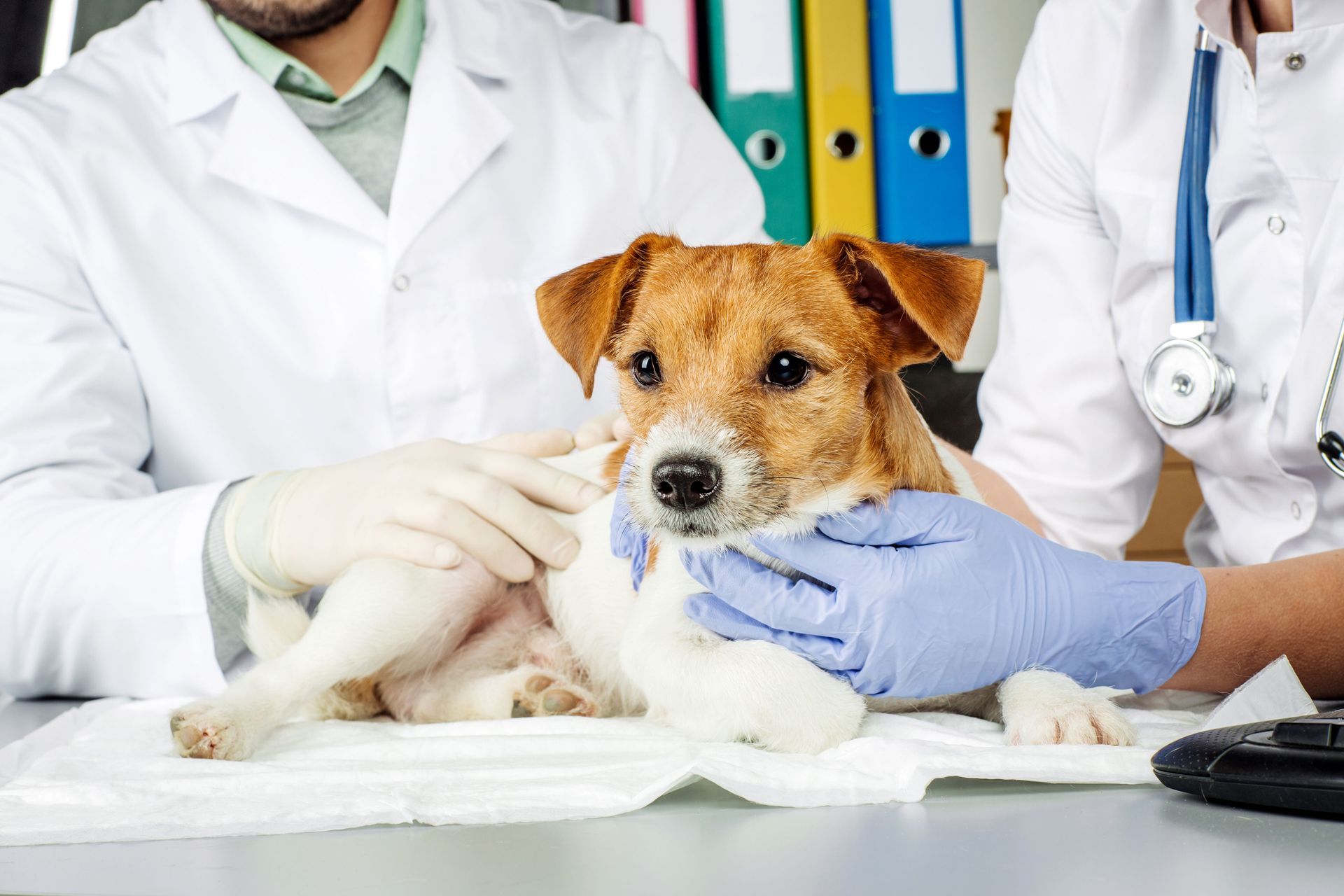
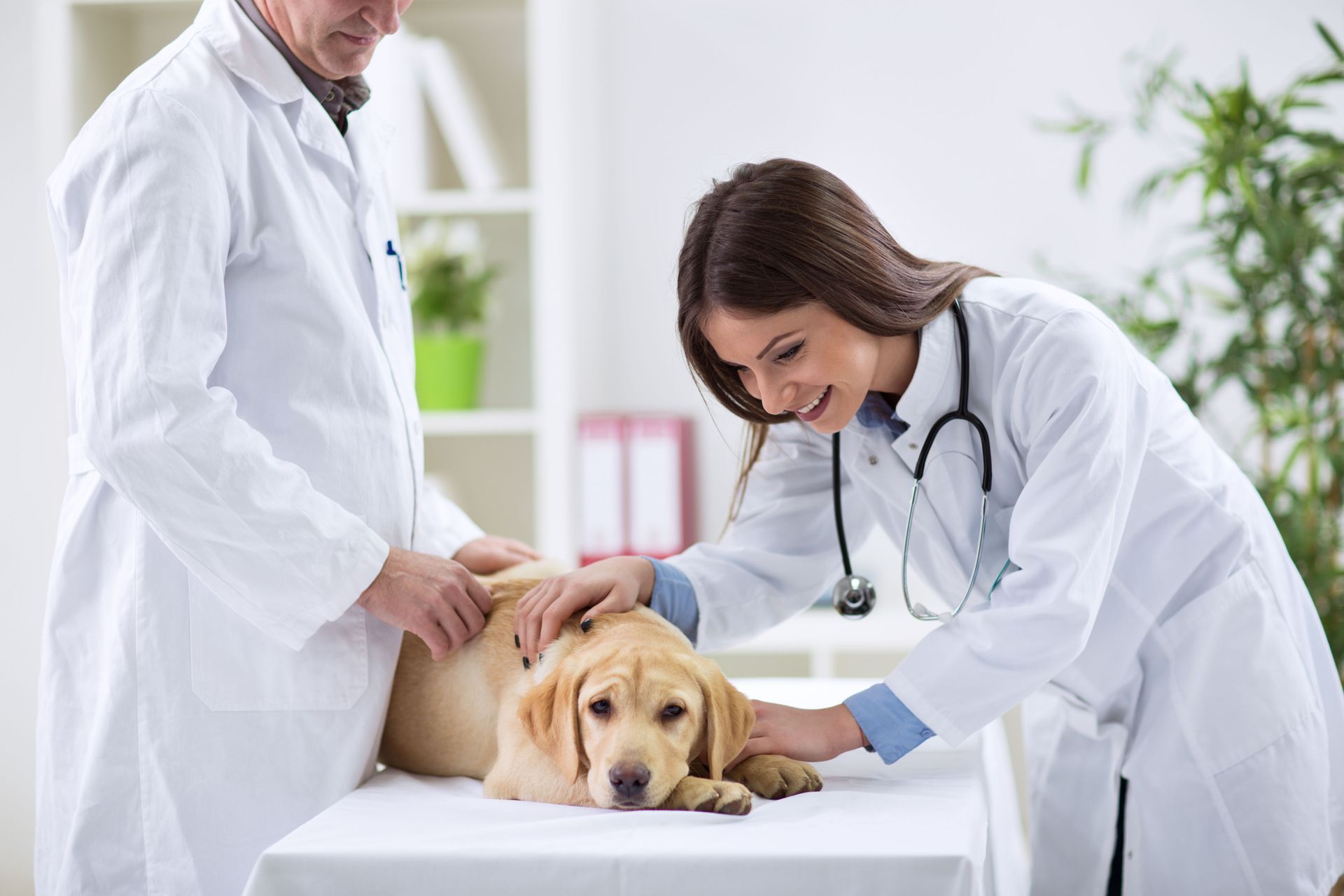
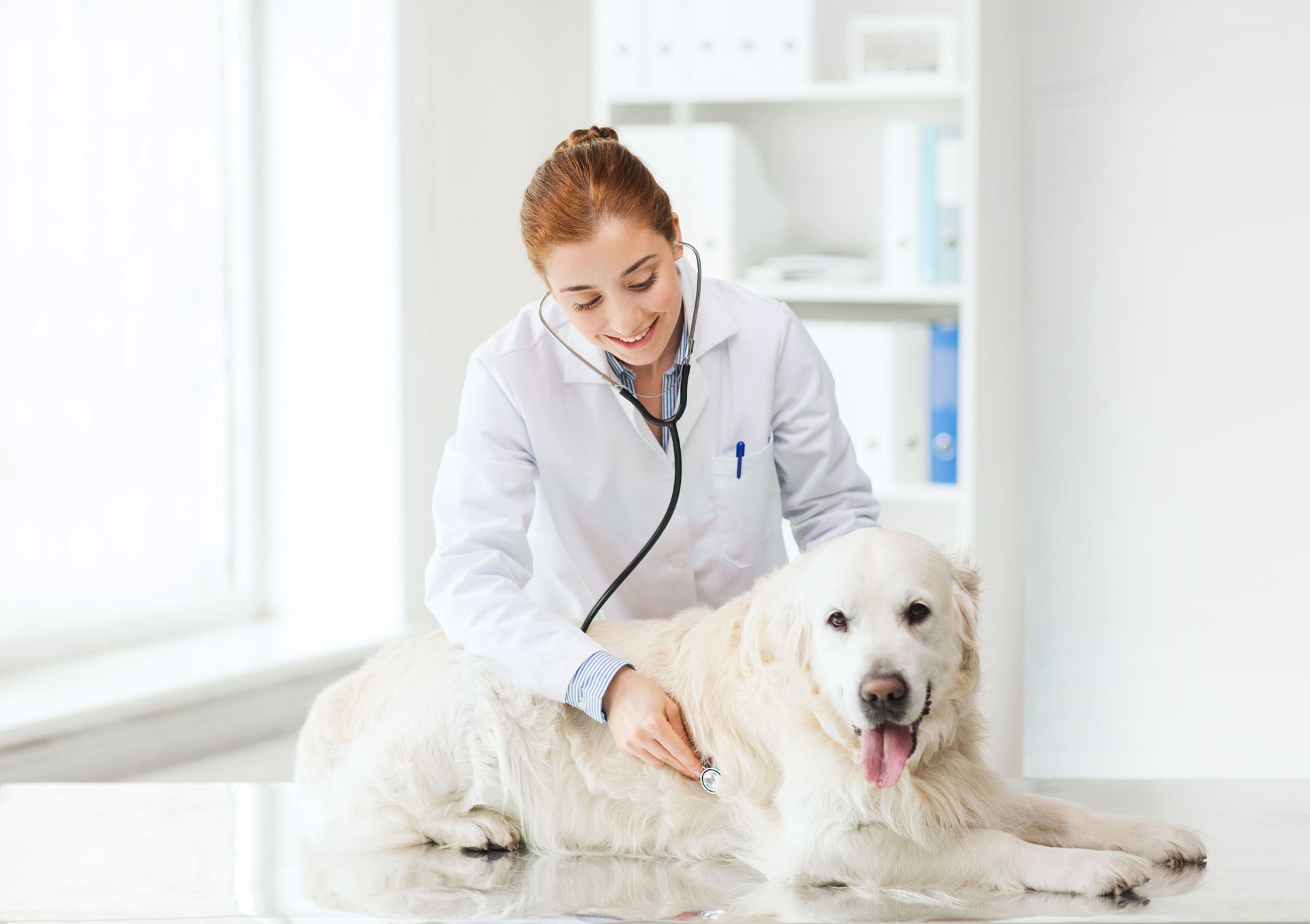
When you schedule routine consultations, a veterinarian uses a combination of physical examination techniques and advanced diagnostics to peer beneath the surface. They check for subtle changes in heart rhythms, palpate the abdomen for unusual masses, and inspect the condition of the joints.
According to the AAHA, if you have an adult pet, you should visit a veterinarian at least once a year. These annual visits are not just bureaucratic formalities; they are diagnostic dragnets designed to catch chronic conditions—such as kidney disease, diabetes, thyroid imbalances, and early-stage cancer—before they progress into irreversible or life-threatening crises. Catching a condition early almost always translates to a better prognosis, less invasive treatment plans, and significantly lower medical costs.
2. Tailored, Region-Specific Parasite Prevention
The internet can provide generalized advice on flea and tick prevention, but it lacks geographical context. Parasite risks vary dramatically based on your exact zip code, local climate, and immediate environment. A local veterinarian possesses intimate knowledge of the specific biological threats thriving in your community.
For instance, if you live in a region with high humidity and standing water, your pet faces a heightened risk of heartworm disease, a devastating condition transmitted by mosquitoes. If you live near wooded areas or hiking trails, tick-borne illnesses like Lyme disease or Anaplasmosis may be rampant.
During a consultation, your practitioner will evaluate your pet’s specific lifestyle (whether they are an indoor lap cat, a frequent visitor to public dog parks, or an avid hiking companion) and combine that profile with local epidemiological data. This allows them to prescribe a targeted, highly effective preventative regimen rather than a generic, over-the-counter solution that might not cover the specific strains or species prevalent in your neighborhood.
3. Demystifying Dental Health
It is an uncomfortable truth: periodontal disease is one of the most common, yet entirely preventable, conditions diagnosed in adult pets. Many owners mistake foul breath for a normal "doggy" or "cat" trait, but persistent halitosis is actually an indicator of active bacterial infection.
Left unchecked, plaque and tartar build up on the teeth, eventually creeping beneath the gumline. This causes painful inflammation (gingivitis) and can lead to tooth loss and bone decay. What is even more alarming is that the bacteria residing in an infected mouth can enter the bloodstream, causing systemic damage to your pet's internal organs—specifically the heart, kidneys, and liver.
A professional consultation allows for a comprehensive oral health assessment. Your local provider can identify hidden dental pain, recommend specific home-care routines, and schedule professional veterinary dental cleanings under safe anesthesia. Investing in oral health care adds years of comfortable, pain-free life to your pet's timeline.
4. Nuanced Nutritional Guidance and Weight Management
Obesity is a quiet epidemic sweeping across the companion animal population. Recent clinical surveys indicate that over half of the dogs and cats in the United States are classified as overweight or obese. While a chubby pet might look endearing in photos, those extra pounds place an immense amount of stress on their skeletal structure, accelerate the onset of arthritis, strain the respiratory system, and dramatically increase the risk of metabolic disorders like diabetes.
Navigating the pet food aisle can be overwhelming. Marketing buzzwords like "grain-free," "raw-infused," "ancestral diet," and "human-grade" often confuse owners more than they inform them. Furthermore, feeding calculators on the back of food bags are based on broad averages, completely ignoring your pet's unique metabolic rate.
A local veterinarian cuts through the marketing noise. They calculate your pet’s exact Body Condition Score (BCS) and determine their specific daily caloric requirements based on age, breed, sterilization status, and activity level. Whether your pet needs a specialized therapeutic diet to manage crystals in their urine, a hypoallergenic protein source for severe skin allergies, or a strict weight-loss plan, a tailored consultation provides a data-driven path forward.
5. Decoding Critical Behavioral Shifts
When a pet suddenly starts acting out, owners often view it strictly as a behavioral discipline issue. A house-trained dog might suddenly begin urinating indoors, a gentle cat might start Hissing when petted, or a high-energy pup might become uncharacteristically withdrawn. Before you call a trainer or assume your pet is simply misbehaving, it is vital to rule out underlying medical issues.
Animals communicate distress through behavioral changes.
- Sudden aggression is frequently a direct response to hidden physical pain, such as localized arthritis or a cracked tooth.
- Inappropriate elimination in cats is often tied to painful Feline Lower Urinary Tract Disease (FLUTD) or a urinary tract infection.
- Increased vocalization or pacing in older animals can be an early sign of Cognitive Dysfunction Syndrome (CDS), essentially dementia in pets.
By consulting a veterinarian, you ensure that physical ailments are thoroughly investigated first. If the issue does turn out to be purely psychological—such as separation anxiety or noise phobias—your vet can provide a multimodal treatment plan combining environmental enrichment, behavior modification strategies, and, if necessary, pharmaceutical support.
6. Establishing an Emergency Safety Net
Medical crises rarely happen at convenient times. Whether your dog ingests chocolate late at night, or your cat suddenly struggles to breathe, an emergency requires immediate action. In those frantic, terrifying moments, the last thing you want to do is search the web for an open clinic, fill out tedious first-time client paperwork, and walk into an environment where no one knows your pet's medical background.
By regularly seeing a local veterinarian for routine care, you build a vital clinical relationship. Your pet's comprehensive medical history, known drug allergies, vaccine records, and baseline lab results are already securely stored in their local database. Furthermore, if your regular clinic does not operate 24/7, they maintain direct operational partnerships with regional emergency hospitals and specialized referral centers, ensuring a seamless transfer of critical data and a coordinated continuum of care when every second counts.
At its core, scheduling regular consultations with a medical professional is an exercise in proactive love. It shifts your care framework from reactive crisis management to thoughtful, preventative health optimization. Your local provider is far more than a doctor who administers shots; they are your educator, your advisor, and your strongest ally in ensuring your four-legged companion lives a long, happy, and pain-free life.
Do not wait for an obvious illness or an emergency to establish this vital connection. Take control of your pet's wellness journey today. Reach out, book a comprehensive consultation with a trusted
veterinarian in your neighborhood, and secure the peace of mind that comes with knowing your best friend is receiving the highest standard of expert care. Reach out to Pointe 183 Animal Hospital & Urgent Care today to see how we can help you!


Share On: