The Importance of Knowing A Local Veterinarian
Navigating the multifaceted responsibilities of domestic pet ownership requires an unwavering, long-term commitment to optimal physical wellness, emotional balance, and proper preventative care across every single stage of your companion's life. Every household animal requires distinct, attentive medical care to thrive consistently, moving smoothly from playful infancy through energetic adulthood and into their delicate senior years. Establishing a strong relationship with a dedicated clinical professional ensures that your companion continuously receives comprehensive medical support tailored precisely to their unique physiological profile, breed traits, and lifestyle habits. Beyond basic routine care, professional clinical guidance provides an invaluable, structured framework for making daily nutritional choices, introducing necessary physical adjustments, and executing proactive disease prevention strategies that protect the health of your entire home environment.
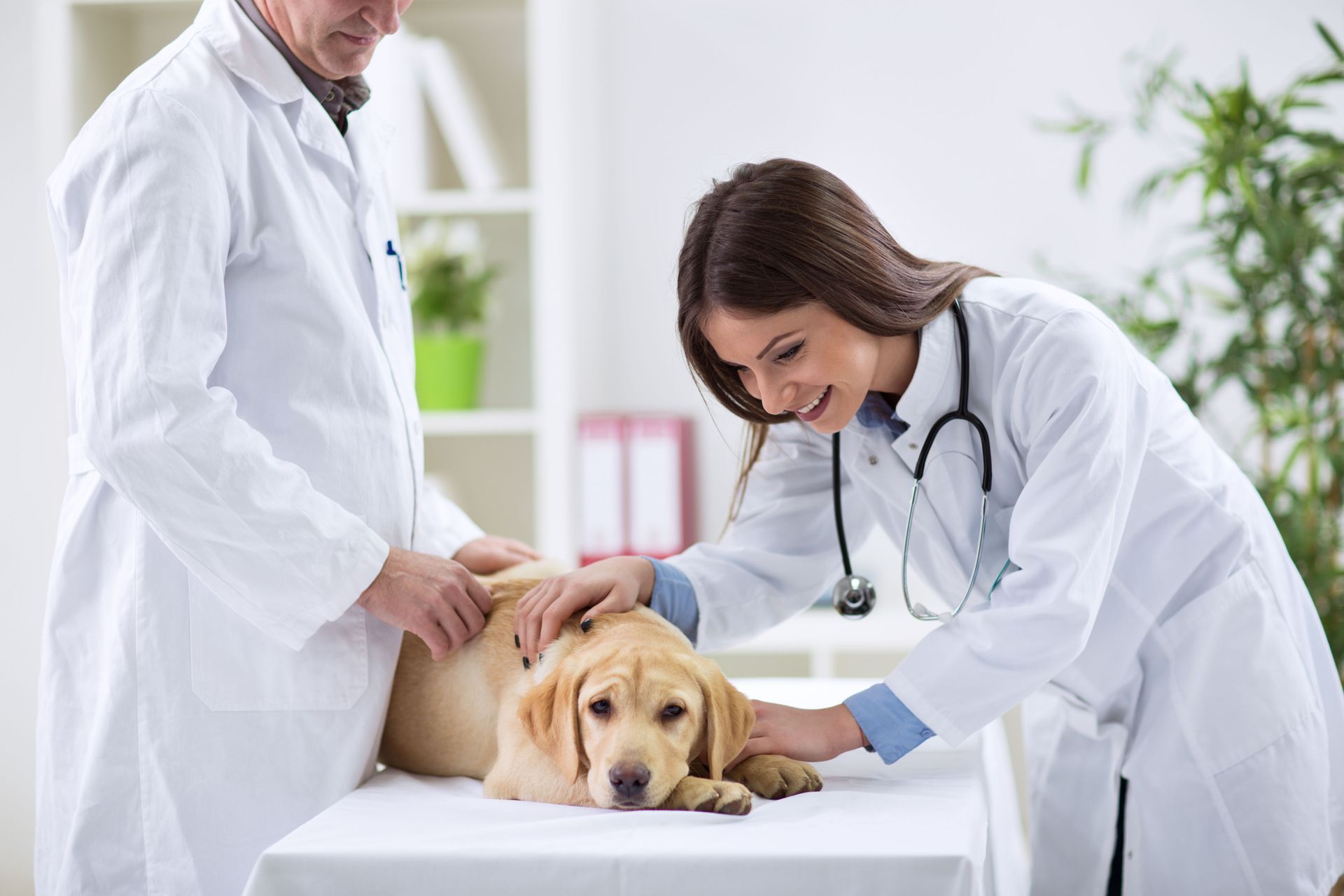
A dedicated medical practitioner acts as an empathetic and reliable guide through every milestone, assisting families as they face complex decisions regarding specialized medical treatments, diagnostic tests, and personalized wellness schedules. Regular professional interactions help establish a complete baseline of normal health indicators, making it significantly easier to spot subtle physiological or behavioral changes before they escalate into major, acute health crises. This ongoing professional oversight offers immense peace of mind to owners while building a familiar, low-stress routine for the animal during every single clinical visit. Investing early in a continuous, collaborative healthcare partnership creates a permanent foundation for long-term vitality, mutual understanding, and a vastly enhanced quality of life for your domesticated companion.
Evaluating Educational Pathways and Professional Qualifications
Becoming a thoroughly trained and fully licensed veterinarian involves completing many consecutive years of intensive academic study, rigorous scientific research, and demanding clinical rotations. Candidates must first complete a demanding undergraduate degree focused heavily on biological sciences, organic chemistry, biochemistry, and advanced animal physiology before applying to an accredited doctoral institution. Once accepted into a competitive doctoral program, prospective doctors spend four additional years engaging in rigorous coursework covering pharmacology, systemic pathology, advanced surgical procedures, and multi-species clinical diagnostics. This thorough, highly demanding educational foundation ensures that every graduate possesses a deep theoretical and practical understanding of complex animal medicine.
Upon earning their formal professional degree, many graduates choose to pursue optional, highly specialized internships or multi-year clinical residencies to master advanced medical disciplines such as orthopedic surgery, cardiology, or oncology. Ongoing professional development remains a lifelong imperative throughout their working careers, requiring active practitioners to regularly participate in continuous education seminars to master modern diagnostic tools and cutting-edge clinical methodologies. This steadfast dedication to lifelong learning guarantees that animals receive modern, evidence-based care across all distinct stages of life. The extensive qualifications earned through decades of diligent academic training demonstrate a profound, lasting commitment to upholding exceptional standards of patient care and practical medical expertise.
Establishing Robust Systems for Daily Preventative Care
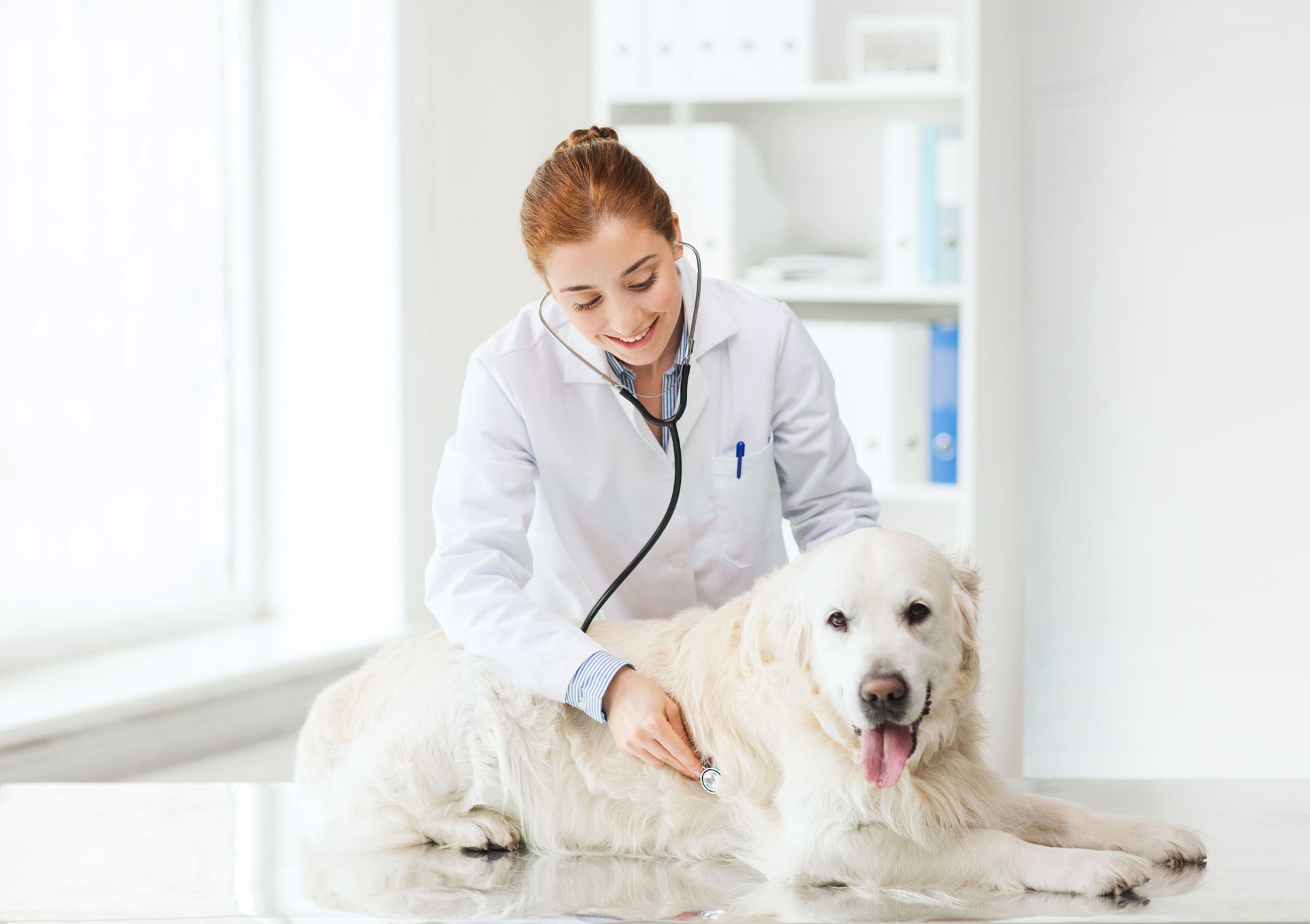
Implementing comprehensive preventative care protocols serves as the most effective, reliable strategy for extending the physical lifespan and overall daily vitality of household companions. Routine physical assessments enable clinical professionals to track subtle structural changes, evaluate organ performance, monitor weight fluctuations, and systematically administer vital immunizations tailored to specific regional health risks. Proactive wellness management plans typically incorporate routine parasite control measures, specialized dental cleanings, metabolic screening panels, and precise dietary advice designed to prevent chronic conditions like diabetes or joint degeneration. By addressing minor wellness matters proactively, owners can spare their beloved companions from unnecessary physical distress while avoiding expensive emergency interventions down the road.
Regular physical examinations play an equally vital role in protecting human family members from dangerous zoonotic diseases that can easily pass between animals and people. Clinical specialists systematically evaluate environmental risk factors within the home, identifying dynamic vectors of transmission and recommending targeted strategies to minimize potential cross-contamination. Veterinarians also play a crucial role in monitoring public health through vaccination programs and disease control efforts. According to the BLS, there are approximately 86,400 active veterinarian jobs in the United States, highlighting the essential service they provide in maintaining animal health. This wide range of responsibilities underscores the dynamic nature of the profession, requiring adaptability, empathy, and expertise.
Navigating Urgent Medical Events and Critical Interventions
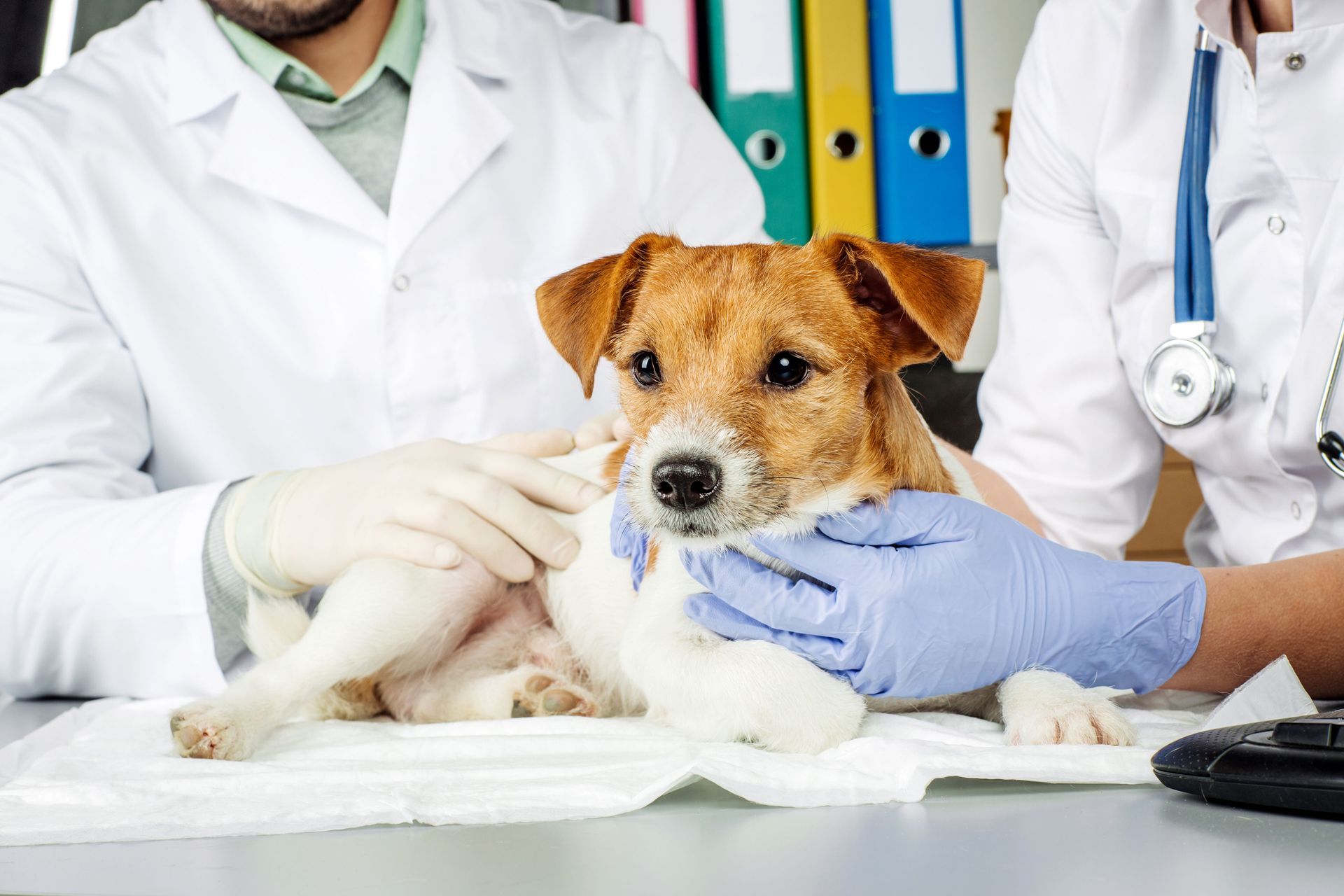
Handling a sudden physical injury, acute illness, or severe accidental poisoning demands rapid decision-making and immediate access to professional emergency facilities equipped for critical care. Recognizing early warning signs such as severe respiratory distress, unexpected lethargy, sudden collapse, persistent vomiting, or major physical trauma allows owners to act swiftly during life-threatening, time-sensitive situations. Having an established clinical partner ensures that owners know exactly where to go and who to contact when every single second matters for survival. Emergency medical facilities utilize specialized, high-tech diagnostic machinery, full-scale surgical suites, and intensive therapy protocols to stabilize critically ill patients facing acute physical trauma.
Immediate post-crisis care and meticulous ongoing clinical follow-ups are equally vital to securing a complete, unhindered recovery following major physical trauma or complex internal surgical procedures. Medical professionals design detailed post-operative recovery plans that include precise pain management schedules, explicit wound care directions, dietary modifications, and gradual physical rehabilitation goals. Consistent clinical monitoring during the delicate healing phase helps prevent dangerous post-surgical complications, such as localized surgical infections, internal bleeding, or systemic organ setbacks. Working side-by-side with experienced emergency practitioners gives owners the necessary confidence, emotional clarity, and practical knowledge required to support their animals through challenging health crises.
Selecting the Ideal Clinical Facility for Long-Term Support
Choosing an exceptional, highly compatible clinical practice requires carefully evaluating several essential structural and interpersonal factors, including practitioner experience, facility cleanliness, emergency availability, and available diagnostic technology. Prospective clients should research local clinical settings thoroughly to ensure the medical staff demonstrates proven expertise with their specific animal species, age group, or unique breed requirements. Visiting potential medical facilities in person allows pet owners to assess administrative efficiency, observe how compassionate staff members interact with arriving patients, and inspect overall sanitary standards across waiting areas and examination rooms. Securing a comfortable, well-equipped, and warm medical environment sets the perfect baseline for pleasant, productive physical examinations for many years to come.
Clear communication styles, shared care philosophies, and strong interpersonal compatibility between clinical staff and pet owners foster an empowering, highly collaborative healthcare experience. Reading verified client feedback, confirming institutional accreditations, and asking direct, targeted questions regarding emergency coverage options will help clarify whether a specific practice fits your personal financial and ethical expectations. A truly supportive clinical environment prioritizes open dialogue, ensuring that every proposed treatment plan aligns seamlessly with the financial parameters, practical capabilities, and personal preferences of your family. Selecting a dedicated veterinarian guarantees that your cherished pet continuously receives personalized, compassionate, and highly competent medical care tailored specifically to their evolving biological needs.
Partnering With Local Practitioners to Support Community Wellness
Beyond delivering outstanding medical care to individual household pets, local clinical practices play an indispensable, far-reaching role in advancing broad community public health and regional animal welfare initiatives. Many dedicated practices work hand-in-hand with non-profit rescue networks, municipal public shelters, and regional humane societies to provide low-cost spay and neuter services, essential public vaccinations, and critical emergency treatments. These collaborative, community-focused efforts help effectively control stray overpopulation rates, dramatically reduce human health risks from transmissible infectious diseases, and elevate overall living conditions for vulnerable, displaced shelter animals. Community-minded clinical practices also host interactive educational workshops to teach responsible ownership principles to local families, youth groups, and aspiring young students.
By actively participating in regional public health campaigns, these dedicated clinics help build safer, far more compassionate communities for humans and animals alike. Working alongside local civic groups allows passionate practitioners to advocate for stronger animal welfare legislation, enhanced shelter conditions, and accessible medical resources for historically underserved populations. Their continuous, visible presence offers vital community stability, humane education, and reliable guidance across the entire geographical region. Choosing to support your local clinic directly strengthens these essential civic endeavors while ensuring your companion receives continuous, top-tier clinical care from a compassionate
veterinarian. Partner with Pointe 183 Animal Hospital & Urgent Care today to schedule your pet's next comprehensive wellness exam and experience exceptional medical care tailored to your family's needs.


Share On: